Toggle Navigation
open search bar
click to shop

Does Drinking Caffeine Impact Hair Health?

By Nutrafol Team2026-06-11

Does Drinking Caffeine Impact Hair Health?

Caffeine is a part of daily life, woven into morning rituals, afternoon pick-me-ups, and after-dinner treats. Caffeine is prevalent in most cultures, dating back thousands of years, from tea discovered in ancient China to modern-day coffee culture. Today, around 80% of people worldwide consume caffeine daily through coffee, tea, chocolate, sodas, and energy drinks.1

Caffeine influences many aspects of the body, including the nervous and immune systems, digestive tract, and metabolic pathway, with effects depending on serving size and the individual’s sensitivity.2 

Because caffeine’s effect is so widespread, you might be wondering: Does drinking caffeinated beverages affect hair health? Here’s what science shows:

What happens when you drink caffeine?

Caffeine is a highly absorbable substance, with about 99% being absorbed through the digestive system.1 Within 1 hour of consumption, peak levels are reached, and caffeine crosses into the brain. The effects last from 2–12 hours, depending on metabolic factors influenced by genetics, hormones, age, nutrition, and health history.2

Where does hair fit into all of this? Hair follicles are highly sensitive to internal shifts in stress signalling, metabolic health, and nutrient availability- all of which are common root causes associated with hair thinning and shedding. While current research doesn’t yet tie coffee directly causing hair loss, caffeine’s effects on these systems may indirectly influence overall hair health.

Caffeine’s effects on the nervous system. 

Caffeine’s effects on the nervous system. 

Caffeine promotes wakefulness and reduces perceptions of fatigue by blocking receptors in the brain that bind adenosine, a naturally occurring chemical that signals the body to sleep.1,2

  • At lower serving sizes (200–250 mg), many people experience positives such as increased alertness, improved mood, and a pleasant energy lift.2

  • At higher serving sizes (500 mg or more), the risk increases for restlessness, anxiety, tremors, headache, palpitations, and insomnia.2 Chronic overuse or sudden withdrawal can contribute to migraines or withdrawal headaches in some individuals.3

How this impacts hair: sleep disruption, nervous system overdrive, and stress associated with migraines all feed into stress and hormones, which can aggravate hair shedding in susceptible people.

Caffeine’s effects on the digestive system. 

Caffeine’s effects on the digestive system. 

If coffee sends you straight to the bathroom, that’s biology, not your imagination.

Caffeine can:1

  • Stimulate smooth muscle contraction in the colon and GI tract, promoting bowel movements. (When too much is consumed, it can lead to GI upset and diarrhea.)1,2

  • Increase gastric acid secretion, which may worsen reflux or ulcers in some individuals.

  • Trigger fat breakdown (lipolysis) and increase circulating free fatty acids.

How this impacts hair: The long-term effects of digestive system upset can lead to issues with nutrient absorption that can negatively impact hair health. Hair follicles are rapidly dividing cells that depend on a steady supply of absorbed vitamins, minerals, protein, and energy to grow strong, thick strands, so absorption issues can negatively affect the follicles and strands.

How can you incorporate caffeine in a way that’s safe for hair?

Caffeinated drinks are a popular part of cultural food and social practices. Moderate caffeine intake (within ~400 mg/day for healthy adults)is generally considered safe and is often associated with neutral, or even beneficial, outcomes.1,4

Long-term health (including of the hair) can be compromised with very high servings of caffeine (like multiple servings of energy drinks) or caffeinated drinks that also include large amounts of sugar. These effects depend on intake amount and frequency, form (black coffee versus sugary caffeinated drinks), and individual health (including genetics, blood sugar, stress levels).

While there isn’t strong evidence that drinking caffeine directly causes hair thinning or shedding, hair is affected by oxidative stress, metabolism, nutrition, and hormones, which can all be influenced by the consumption of caffeine.

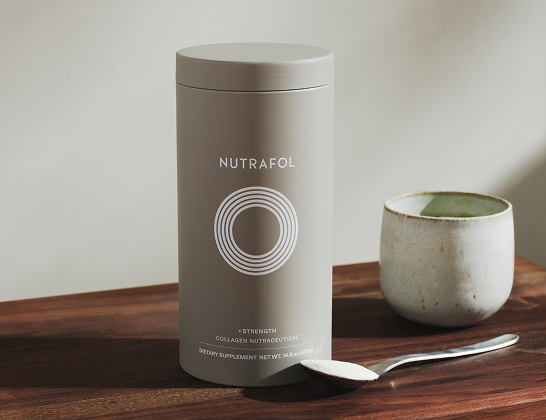
The most hair-supportive approach is to enjoy caffeine in moderation, and anchor your routine in healthy habits tailored to your history. Ditch the sugar in your coffee drink and opt for hair-nourishing add-ins like Nutrafol’s Collagen Infusion, which supports scalp health and can be mixed into your morning brew.

Frequently Asked Questions

H2: Frequently Asked Questions

Does drinking coffee cause hair thinning?

There's no strong evidence that drinking coffee directly causes hair thinning or shedding. Moderate caffeine consumption is generally considered safe and may offer indirect benefits through its antioxidant properties and potential support of healthy blood sugar balance.¹² Where caffeine may play a role is through its downstream effects on sleep, stress, and digestion — all of which can influence the hair growth cycle, since hair follicles are sensitive to oxidative stress and physiological imbalances.

How much caffeine is safe to drink per day? 

For healthy adults, up to 400 mg of caffeine per day is generally considered safe — roughly 3 to 4 standard cups of coffee.¹² Effects vary based on genetics, age, and personal health history, so following your healthcare provider's guidance is always a good idea.²

Does caffeine dehydrate you? 

For regular caffeine drinkers, the dehydration concern is largely overstated. While caffeine does have a mild diuretic mechanism — inhibiting sodium and water reabsorption in the kidneys — regular consumers appear to develop a tolerance to this effect, and moderate intake is not associated with meaningful fluid imbalance.¹

Are sugary coffee drinks bad for your hair? 

The caffeine itself isn't the primary concern — it's the sugar. High-sugar caffeinated beverages can contribute to blood sugar imbalances, and research has linked blood sugar dysregulation to disruptions in the hair growth cycle and hair follicle health.1,4 A bottled flavored latte can contain as much sugar as a can of soda, making lower-sugar options the more hair-supportive choice.

Can caffeine have any positive effects on hair health? 

Potentially, yes — though indirectly. For example, caffeine has antioxidant properties that may help counteract oxidative stress, which can negatively influence the hair growth cycle and hair follicle function.1,2,4 These effects are dose-dependent, and more research is needed to understand the full picture.

References:

  1. Reddy VS, et al. Pharmacology of caffeine and its effects on the human body. Eur J Med Chem Rep. 2024;10:100138. doi:10.1016/j.ejmcr.2024.100138

  2. Rodak K, et al. Caffeine as a factor influencing the functioning of the human body: friend or foe? Nutrients. 2021;13(9):3088. doi:10.3390/nu13093088

  3. Abalo R. Coffee and caffeine consumption for human health. Nutrients. 2021;13(9):2918. doi:10.3390/nu13092918

  4. Du F, et al. Oxidative stress in hair follicle development and hair growth: signalling pathways, intervening mechanisms and potential of natural antioxidants. J Cell Mol Med. 2024;28(12):e18486. doi:10.1111/jcmm.18486

share with emailshare with Facebookshare with Twittershare with Pinterestshare with LinkedIn

Sign up for the Nutrafol Newsletter

© 2026 Nutraceutical Wellness Inc. All Rights Reserved.

These statements have not been evaluated by the Food and Drug Administration. This product is not intended to diagnose, treat, cure or prevent any disease.